SaaS web-based platform and mobile application for waste management startup
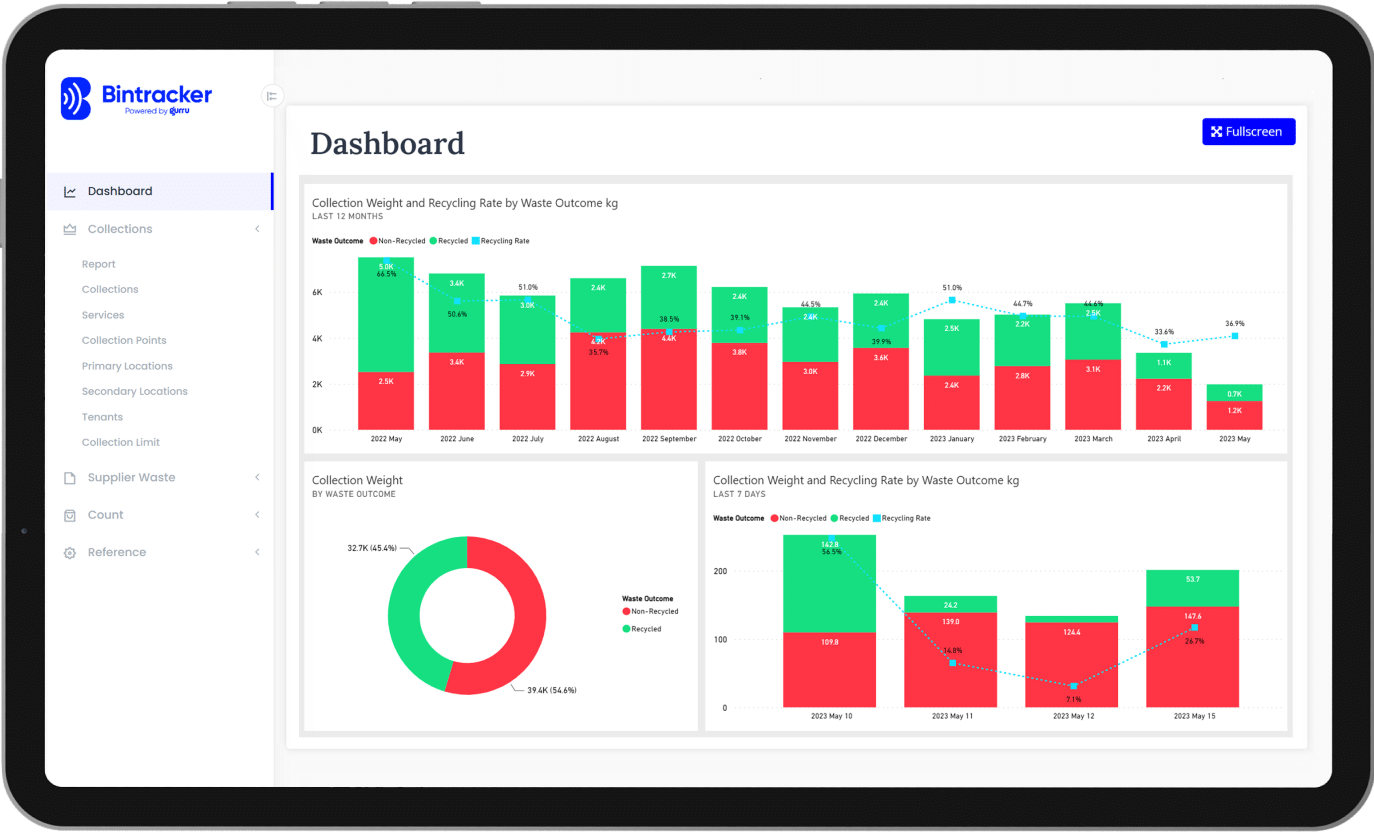
The idea behind the project was to help office building owners and managers optimize waste management processes by creating a resourceful tracking solution. The client wanted a platform that would allow managers to track the amount of produced waste from tenants, how well they sort it, and how much is being sent to landfill so that they can make informed decisions on reducing waste and saving money.
Inoxoft’s team developed a cutting-edge SaaS web-based platform and mobile application for waste management in commercial and office buildings. The platform allows building owners to track the quantity of waste generated by tenants and monitor the efficacy of sorting practices.
By offering an innovative eco platform that provides real-time data about waste generation and sorting, the solution adds significant business value for its users. The information collected through the software can provide valuable insights into waste generation patterns, inform the development of more sustainable practices and deliver a valuable return on investment for businesses.
- Data export to Excel
- Generation and printing of QR codes
- Automatic monthly reports via email in PDF format
- Integrations with Power BI, Azure Logic Apps and Power Automate
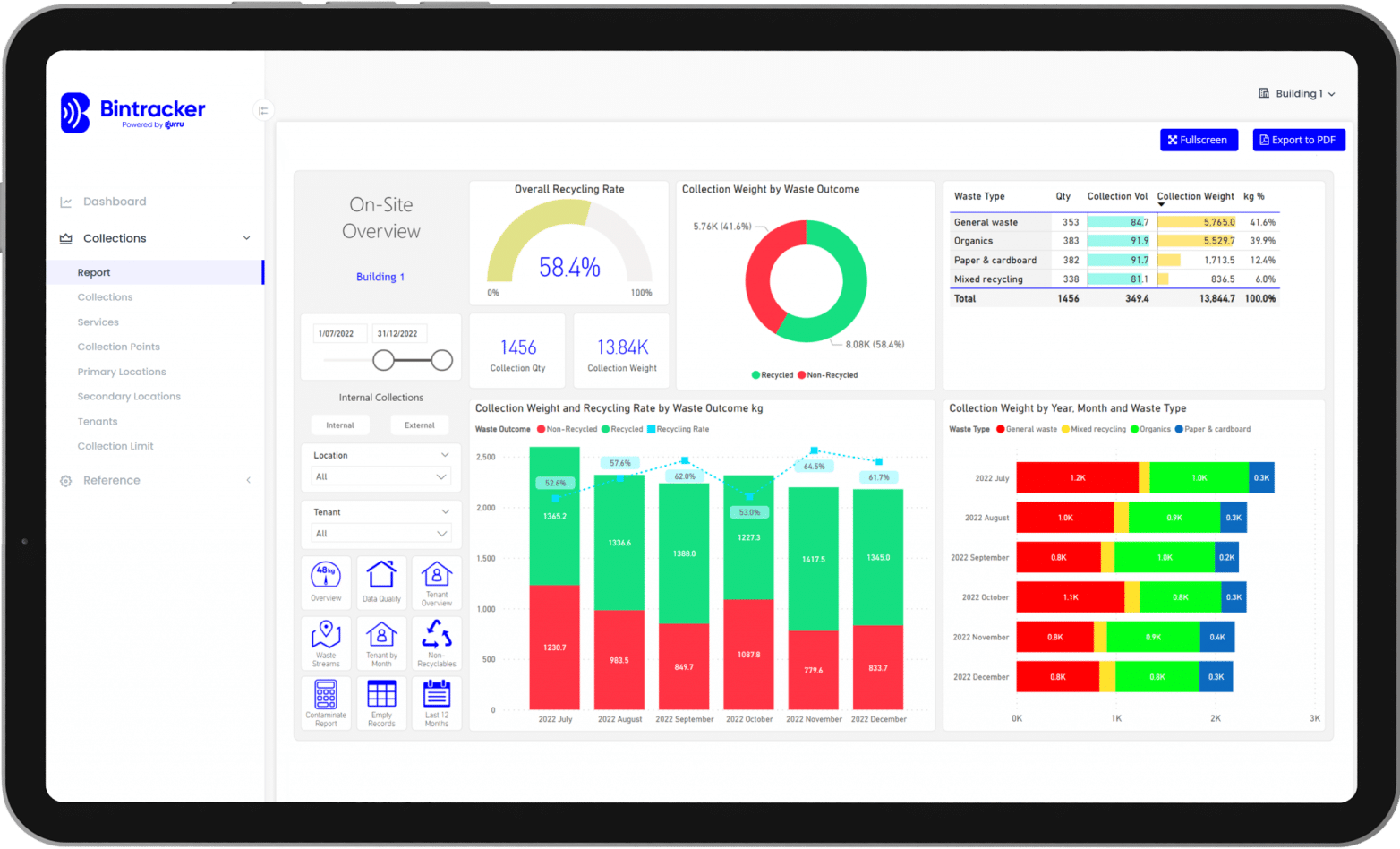
- Real-time waste monitoring and reporting in a consistent, comparable format
- API access to the platform's waste data for further analysis and integrations
Full Story
Inoxoft solution
In 2018, the National Australian Built Environment Rating System (NABERS) launched a new 'Waste Rating' approach for commercial office buildings, including a data quality assessment. And as more organizations strive towards sustainability and reducing their carbon footprint, there's an apparent demand for accurate and detailed waste reporting data.
Going side by side with their subject matter expert, who's equipped with years of experience in the waste industry, the client wanted to drive innovation in the waste management and sustainability sector. That's how they discovered a way to streamline waste reporting, making it more transparent for organizations, and chose Inoxoft to implement it.
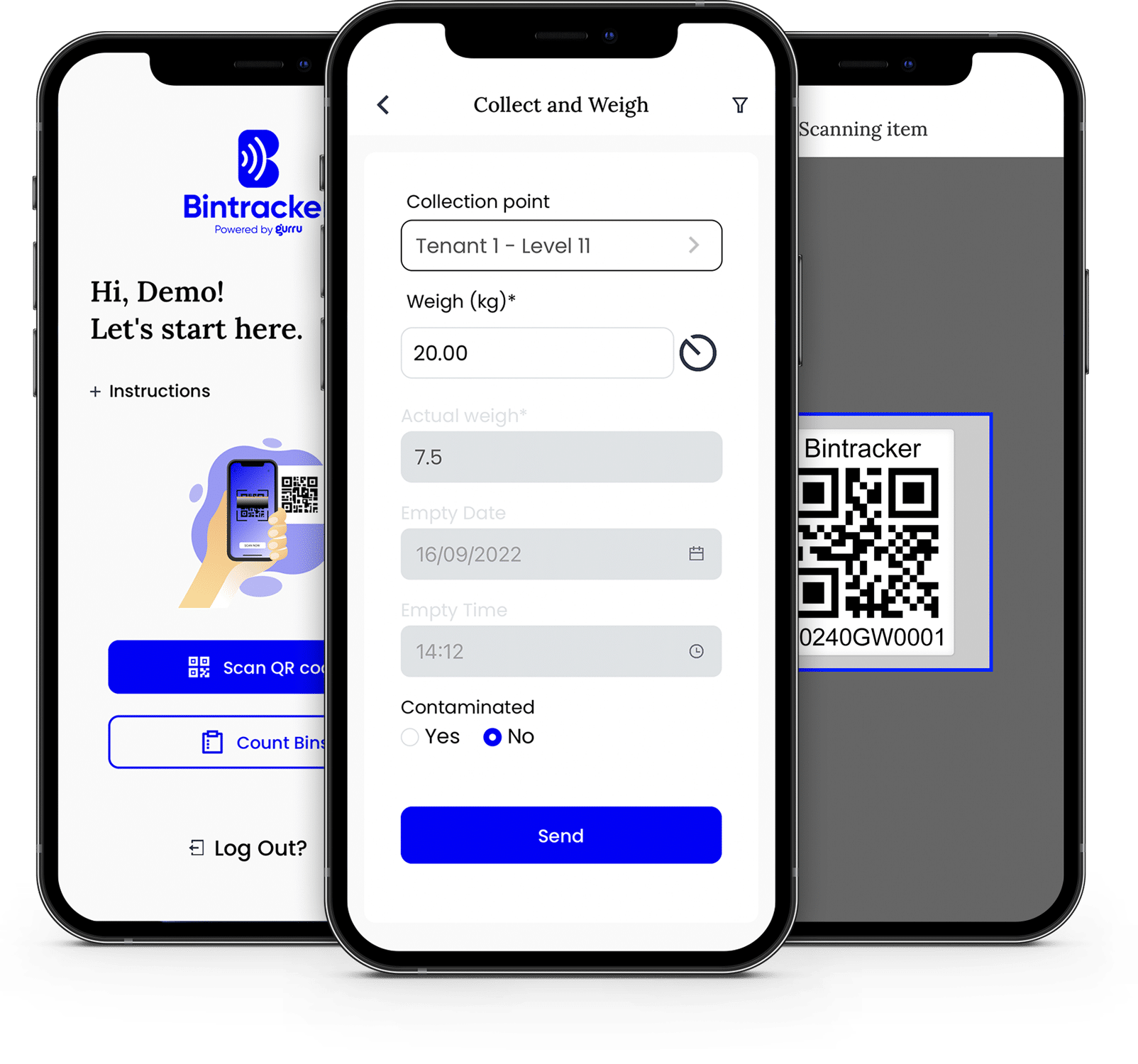
The platform leverages scanning technology to track and report waste streams within buildings efficiently. It gathers waste collection data, which cleaners upload via a mobile application. The app quickly identifies and records the waste stream, source or tenant by checking the unique QR codes on the bins and bags. It also integrates digital scales to weigh scanned bins and bags before emptying them, with data being captured and sent to the platform in real-time.
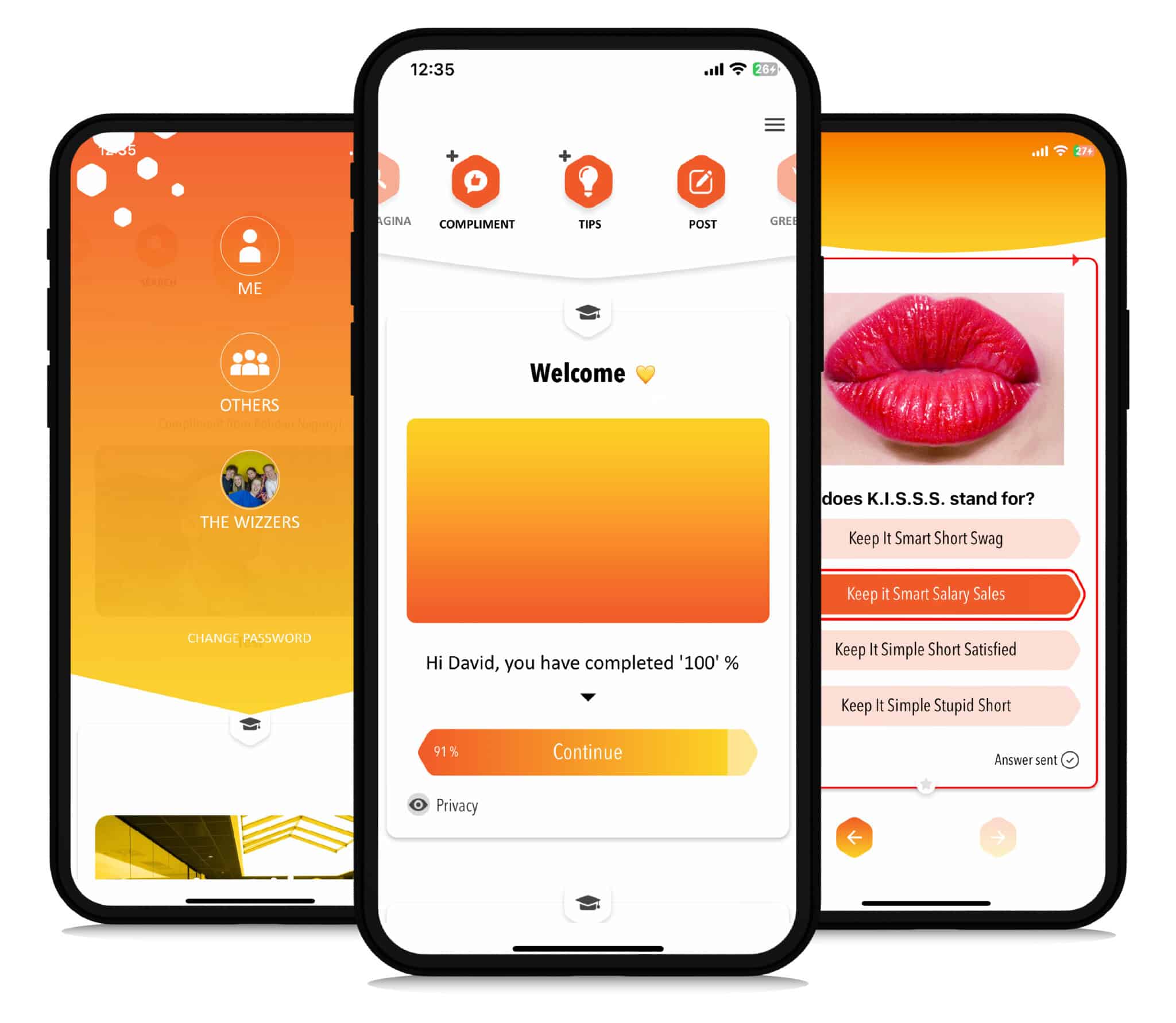
A mobile app is designed explicitly for cleaners to record their work efficiently. A user-friendly interface allows cleaners to quickly scan the QR codes, record the type and quantity of waste collected, and submit the data.
There are three types of users with different levels of access to the web platform: Manager, ReadOnly User, and Owner.
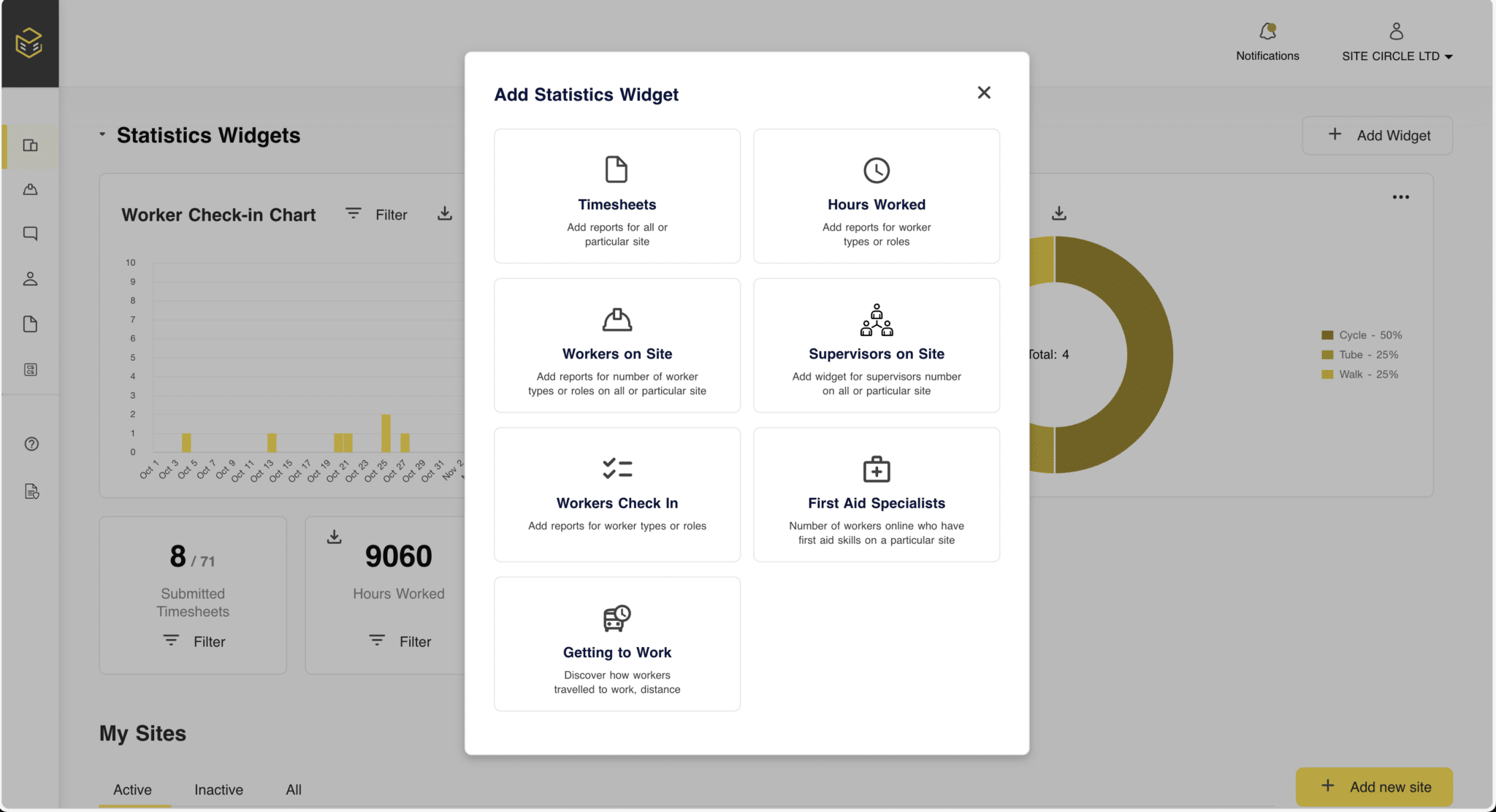
The primary user is the manager of the building, who has access to the dashboard with comprehensive reports and graphs showing a site's waste and recycling habits by day, source, and composition. They can view waste collection data and check information about tenants, collection points, secondary locations, and unique QR codes for all bins. Managers can optimize the collection limits of each container, preventing cleaners from inputting incorrect data. This helps to ensure that the data recorded is accurate, which is crucial for organizations looking to track and improve their waste management practices.
This waste tracking application has two versions of interfaces: lite and full, which vary by complexity and functionality.
To streamline cleaners' work, the client went even further – they created their own mobile device to prevent cleaners from manually weighing trash. Сleaners can attach a bin or bag to the device and, with the help of the Bluetooth connection to our platform, simply send the data straight to the platform's database.
The client strongly prefers the Microsoft stack and is closely partnered with them. The fact that Inoxoft is a certified Microsoft partner allows us to establish a mutual understanding and approach to the project, ensuring that we can provide the highest quality of deliverables and leverage the expertise of both our teams to achieve the best results.
In this project, we operate in a dedicated team setup where the client determines team capacity, sets the highest priorities and vision for the central product, and assigns deadlines and requirements. On our part, we ensure the assembling of the right team for the project and help them manage it.
Still bearing responsibility for the working process and having the authority to make all decisions, the client can rely on Inoxoft's assistance in closing the management loop. They see us as their partners, not simply as a team they hired. At the same time, our team is integrated with the people from the client's side to work together effectively.